Rumi Darwaza, Lucknow
Rumi Darwaza, built in 1784 by Nawab Asaf-ud-Daula, is the grand signature gateway of Lucknow’s historic heritage.

Rumi Darwaza, often called the “Turkish Gate,” is the most celebrated landmark of Lucknow, Uttar Pradesh. Built in 1784 by Nawab Asaf-ud-Daula, this massive gateway stands as the grand entrance to the old city and serves as the ultimate symbol of the city's rich cultural identity.
Standing an impressive 60 feet tall, the gate is a masterpiece of Awadhi architecture. Unlike other famous Indian monuments, it was built using high-quality bricks and coated with fine lime plaster, which allowed for the incredibly detailed and delicate carvings that adorn its surface. Its unique design features a beautiful semi-circular arch that looks different but equally stunning from both sides.
The Rumi Darwaza has a deep historical significance beyond its beauty; it was commissioned as part of a famine relief project. During the devastating famine of 1784, Nawab Asaf-ud-Daula started the construction of this gate and the nearby Imambara to provide meaningful work and food to his people, making it a lasting monument to the generosity of the Awadh rulers.
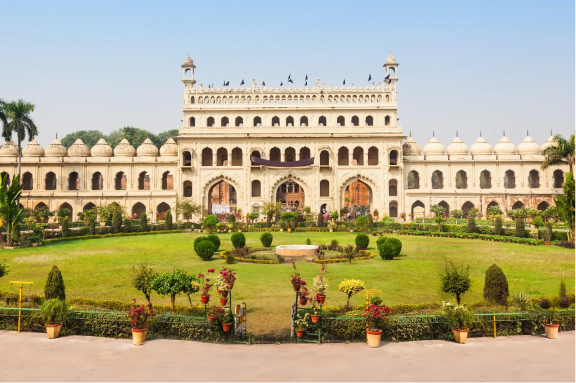 As the signature icon of the "City of Nawabs,"
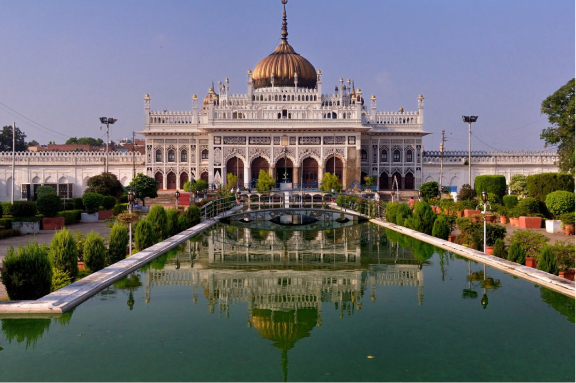 As the signature icon of the "City of Nawabs,"
As the signature icon of the "City of Nawabs," the Rumi Darwaza is a must-visit for every traveler. Located in a vibrant heritage zone, the gate is beautifully illuminated at night, casting a golden glow that highlights its intricate craftsmanship. It remains a silent witness to centuries of history and is the perfect starting point for exploring the soul of Lucknow.